Why Your SIM Card Got Blocked Abroad: 5 Common Pitfalls
When a SIM card for an overseas device gets suspended locally, there are usually clear rules to follow. This article outlines two compliance reasons—real-name registration and usage declaration—and three behavioral triggers: silent reclamation, risk control measures, and roaming beyond allowed areas. It also presents four defense layers: consistent usage, active management, smooth data consumption, and authorization verification.
When devices go global, SIMs can get suspended abroad without warning, halting operations. But suspensions aren't random—they follow clear rules. Five common causes each have proven solutions. Check them one by one: the cost of a single outage far exceeds the cost of prevention.
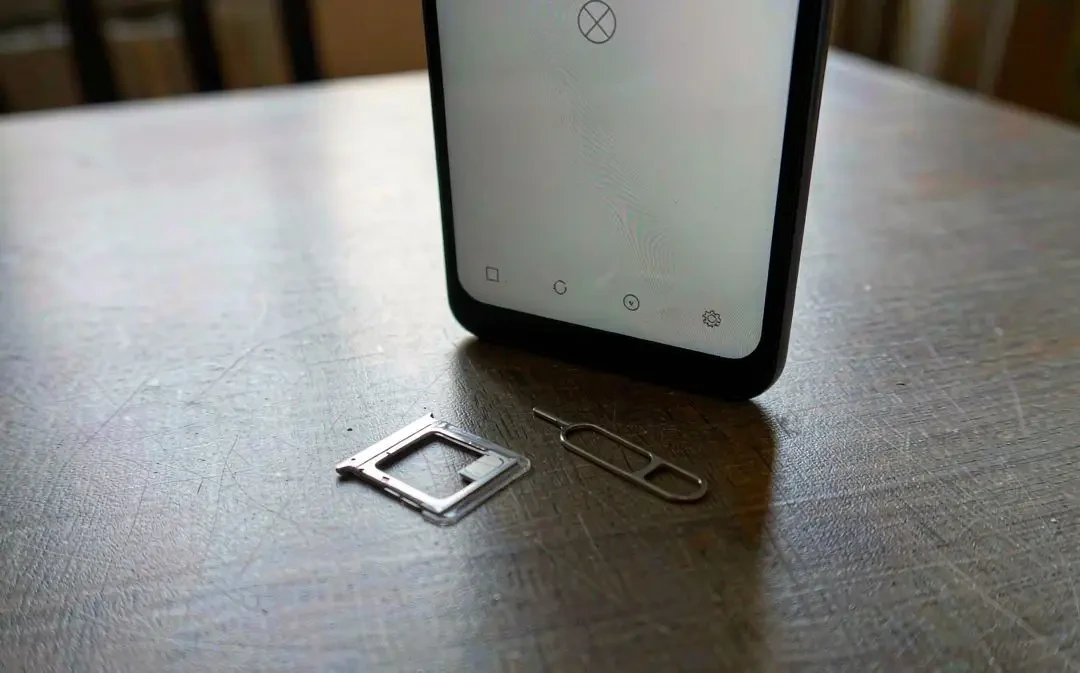
1. Five Causes
The first two are related to compliance:Real-name Verification and Declaration— Local real-name verification not completed (some countries require physical ID binding), or declared purpose does not match actual usage (reported as testing but running mass production).These two shutdown solutions take a long time to resolve.。
The remaining three are related to usage behavior: long-term inactivity leading to reclamation (idle SIM policy), sudden spike in usage triggering risk controls (bulk tasks exhausting quota), and roaming across regions exceeding the country scope authorized by the contract. Service suspension due to behavioral factors.Know the rules to avoid them.。
II. Four Lines of Defense
Establish four lines of defense and deploy them systematically before going global.Much less effort than suspending and then appealing.:
Same useMaintain consistency across declaration, testing, and mass production phases. Switching business lines requires updating the declaration before scaling up.
Active Management: Enable silent alerts in the ledger; for long-term inactive cards, implement periodic number retention or orderly disconnection.
Usage SmoothingSchedule high-volume tasks during off-peak hours to prevent sudden GPU usage spikes that may trigger risk controls.
Authorization VerificationCross-check the target country list against the contract roaming scope and sign missing countries in advance.
Device uptime for overseas operations is driven by execution, not luck. With four layers of defense in place, we've mitigated five common causes of downtime—four are blocked, and the remaining compliance-related issues are resolved through consistent declaration.
Need global IoT SIM pricing comparison or selection advice?
Tell us your target country and device usage, and we'll compile the corresponding pricing plans and recommendations for you.
Related Reading
- For shared power bank expansion overseas, evaluate the target country and backhaul routing first.Tech News · 2026-11-16
- Can legacy devices that only support 2G still use IoT SIM cards?Tech News · 2026-11-16
- Annual procurement locks unit price and total volume, not the entire package.Tech News · 2026-11-16