View after applying
Business License (Duplicate)
Verify entity name, unified social credit code, and business scope.
Request ViewStay updated with the latest industry news and company updates
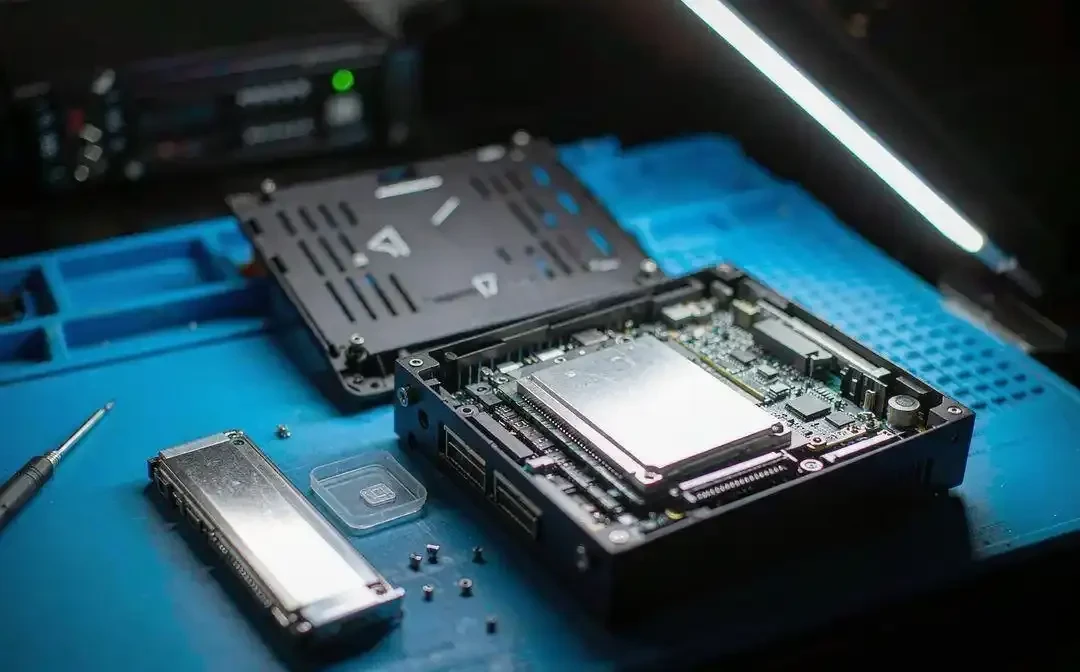
Most IoT SIM suspensions aren't due to unpaid bills, but because they triggered a device-SIM binding check. When the SIM is activated, the carrier records the device identifier; if it appears on another device, it's flagged as SIM-device separation. This article breaks down four trigger scenarios: changing devices, replacing the motherboard, flashing firmware, and removing/reinserting the SIM. It explains why legitimate production changes—such as component swaps on the assembly line—can also cause suspensions, and outlines recovery procedures including pre-approval workflows, ledger maintenance, early reporting, and integrating these practices into after-sales support.
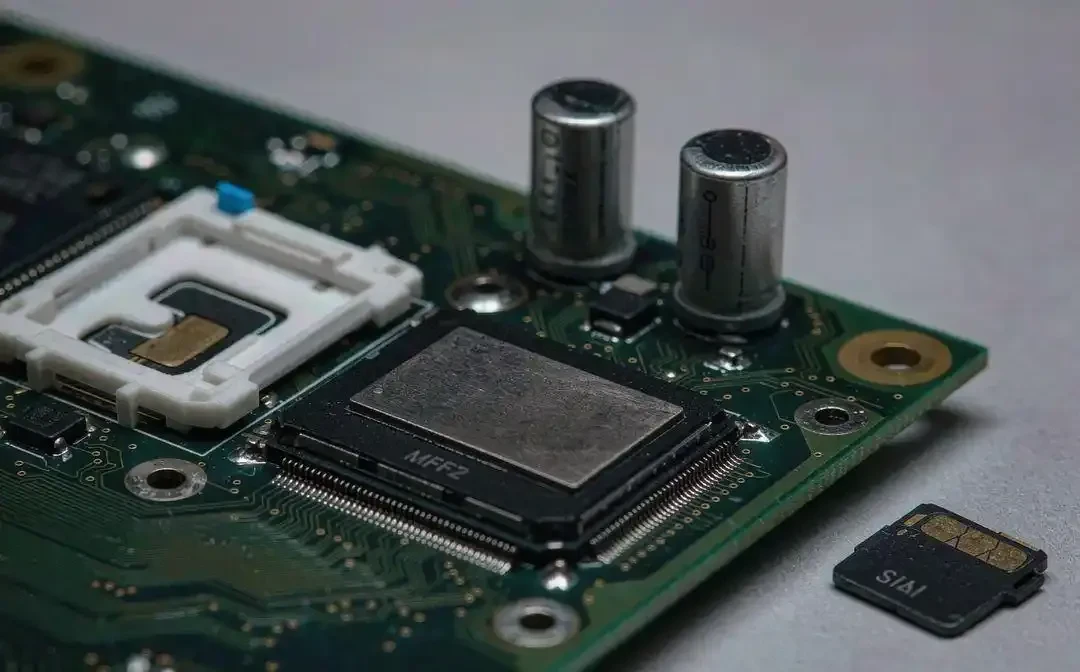
eSIM refers to whether the SIM profile can be remotely provisioned. Chip-mounted (SMD) indicates a soldered component versus a removable module. Data pooling describes how billing is settled. These three concepts operate at different levels and can be freely combined. This article explains each dimension's options and impacts, outlines three key decision factors—bulk device shipping, SIM re-provisioning frequency, and multi-country deployment—and lists four common combinations with their use cases and limitations.
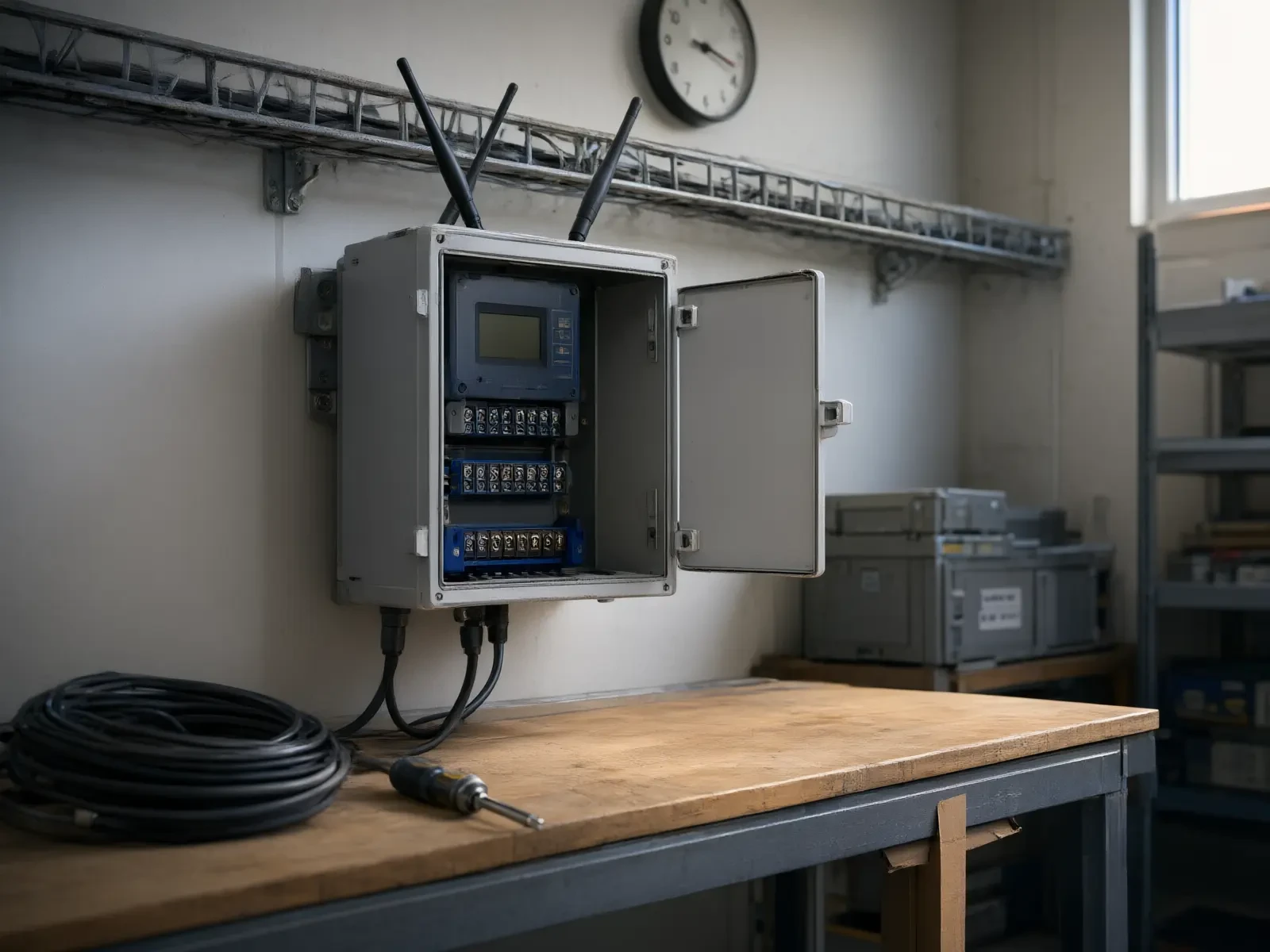
The "Focus Interview" program has brought the "Six Networks" into public view. While network coverage is driven by operators, hardware manufacturers going global must address device-side challenges—such as SIM cards, pricing, operations and maintenance (O&M), and liability—in a step-by-step manner. This article breaks down connectivity solutions from three perspectives: international SIM usage, cost accounting, and bulk O&M.

Weak signal in electrical shafts stems from physical shielding, not SIM card or device failure. The reinforced concrete walls and metal cable trays create a Faraday cage effect, causing wall penetration loss of 15 to 25 dB. This article outlines a corrective sequence: measure first, extend antennas externally, then use wired backhaul; only consider changing frequency bands or adding repeaters last. We compare four solutions and detail preventive design practices for new projects, including NB-IoT applicability.

Cross-border tracking devices face three constraints: usability, cost, and connectivity reliability. No single SIM works for all routes. This article outlines a route-segmented approach, prioritizing frequency verification, country-by-country compliance, and break-recovery data transmission. It compares connectivity solutions and fallback strategies across three scenarios: fixed routes, multi-country long-haul lines, and remote oceanic/desert regions.

Video transmission lag is rarely caused by slow download speeds; it's usually due to insufficient upload bandwidth. Cellular networks have asymmetric uplink/downlink resources, and in congested areas, uplink capacity can be further consumed by other mobile users. This article breaks down the four bottlenecks in backhaul latency, outlining the trade-offs and limitations of four optimization strategies: multi-SIM aggregation, compression and bitrate reduction, edge offloading, and strategic site selection. It also explains why swapping SIM cards won't increase uplink capacity and how to set bitrates based on real-world measurements.

When nursing carts and PDAs primarily access hospital systems, a dedicated APN with a VPN tunnel is a reasonable starting point. Consider 5G private networks or network slicing only when terminal scale reaches thousands of units, data sensitivity is high, or physical isolation is required. This article compares the two solutions in terms of connectivity methods, isolation levels, and costs, providing guidance for three scenarios: HIS/EMR access, medical imaging retrieval, and data retention within the campus. It also outlines prerequisites including site surveys, concurrent bandwidth capacity, and device access control.
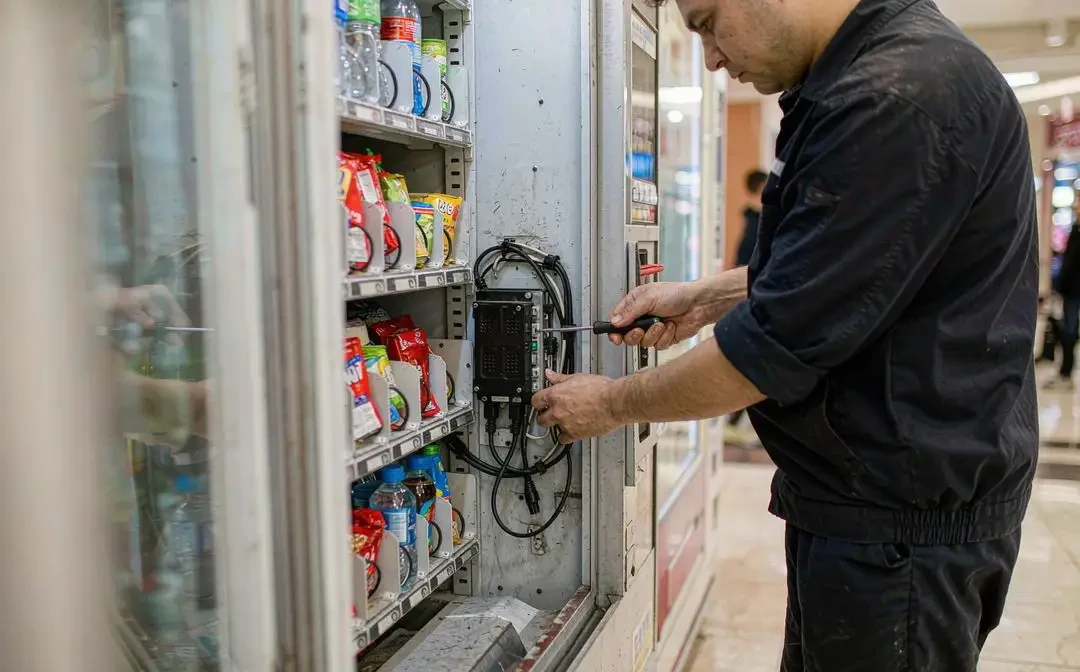
Whether a SIM card can be retained after the intermediary loses contact depends on its status with the carrier and whether it is registered to your identity. If the card remains active, you may regain management rights through official registration channels. If it has been mass-terminated, replacement is required. This guide outlines the true cost of replacing a card, provides a four-point selection checklist (clear ownership, no excessive prepayment, platform-tested, small-batch validation), and offers guidance on choosing between embedded and removable packaging.

Outdoor cabinet temperatures frequently exceed 70°C, and humidity during rainy seasons often surpasses 90%. Under these conditions, standard consumer-grade cards 1–2 years experience contact oxidation and widespread disconnections. This article outlines industrial IoT card and connector selection strategies across five key areas: temperature and humidity resistance, packaging form factors, connector design and condensation management, validation methods, and asset registry tracking. It also provides applicable scenarios and pre-deployment validation recommendations for large-scale rollouts.

Bulk IoT card procurement carries significant risks: false data allowances, unauthorized throttling, and provider disappearances. This guide covers key verification steps to minimize enterprise project risks.

Hardware expansion requires verifying IoT SIM tariffs country by country. Excel comparisons are time-consuming and prone to unit errors. This article explains how to use the carrier's international IoT plan query tool to search plans by country, calculate costs with standardized data units, and remotely switch configurations using eSIM provisioning tools.
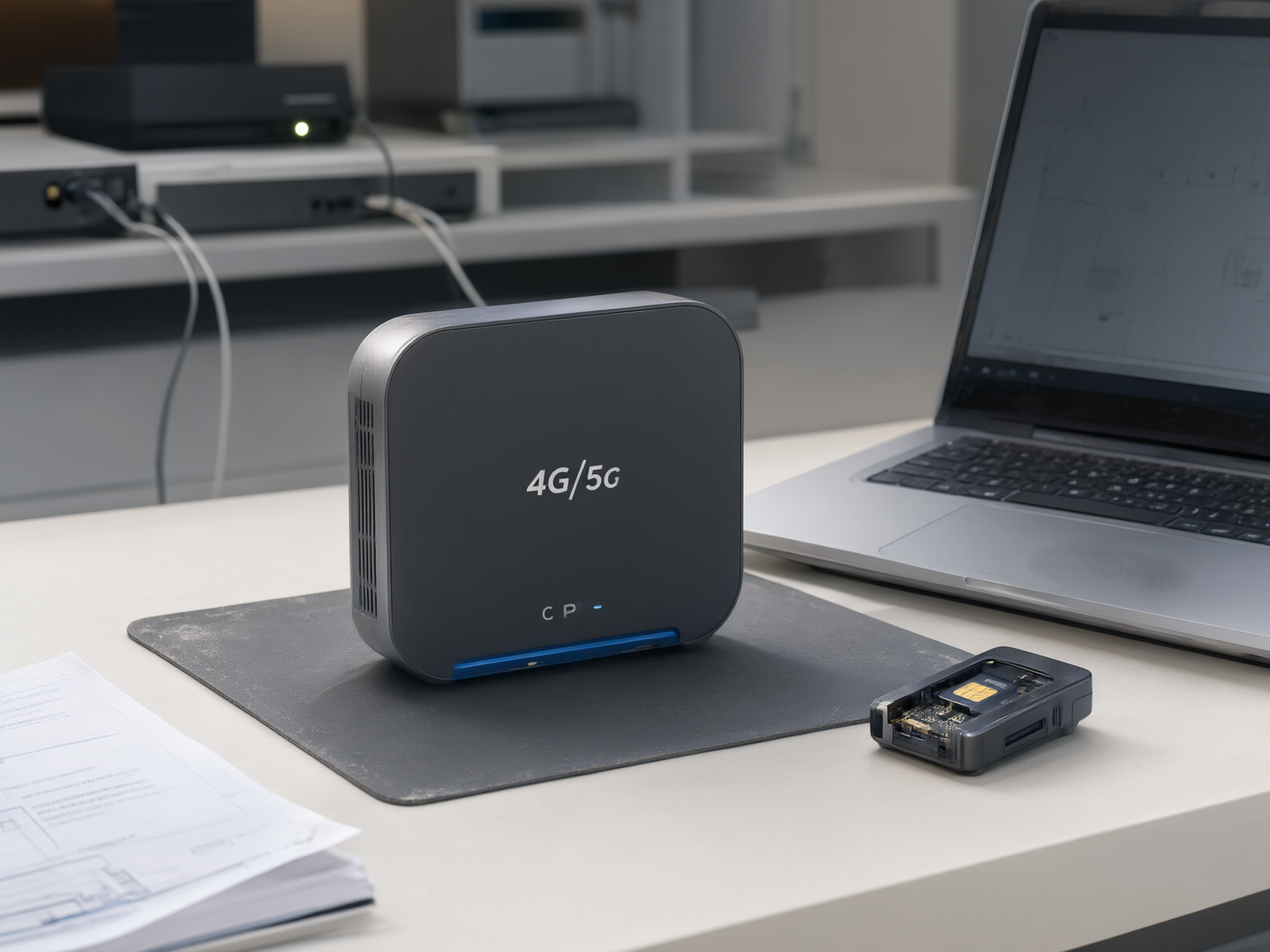
Traditional SIM card solutions require CPE manufacturers targeting overseas markets to stock specific SIM cards for each region, leading to a surge in SKUs and high warehousing costs and expiration losses. This article analyzes the inventory optimization logic, cost structure, and implementation recommendations for eSIM modules enabling "one card for multiple countries."
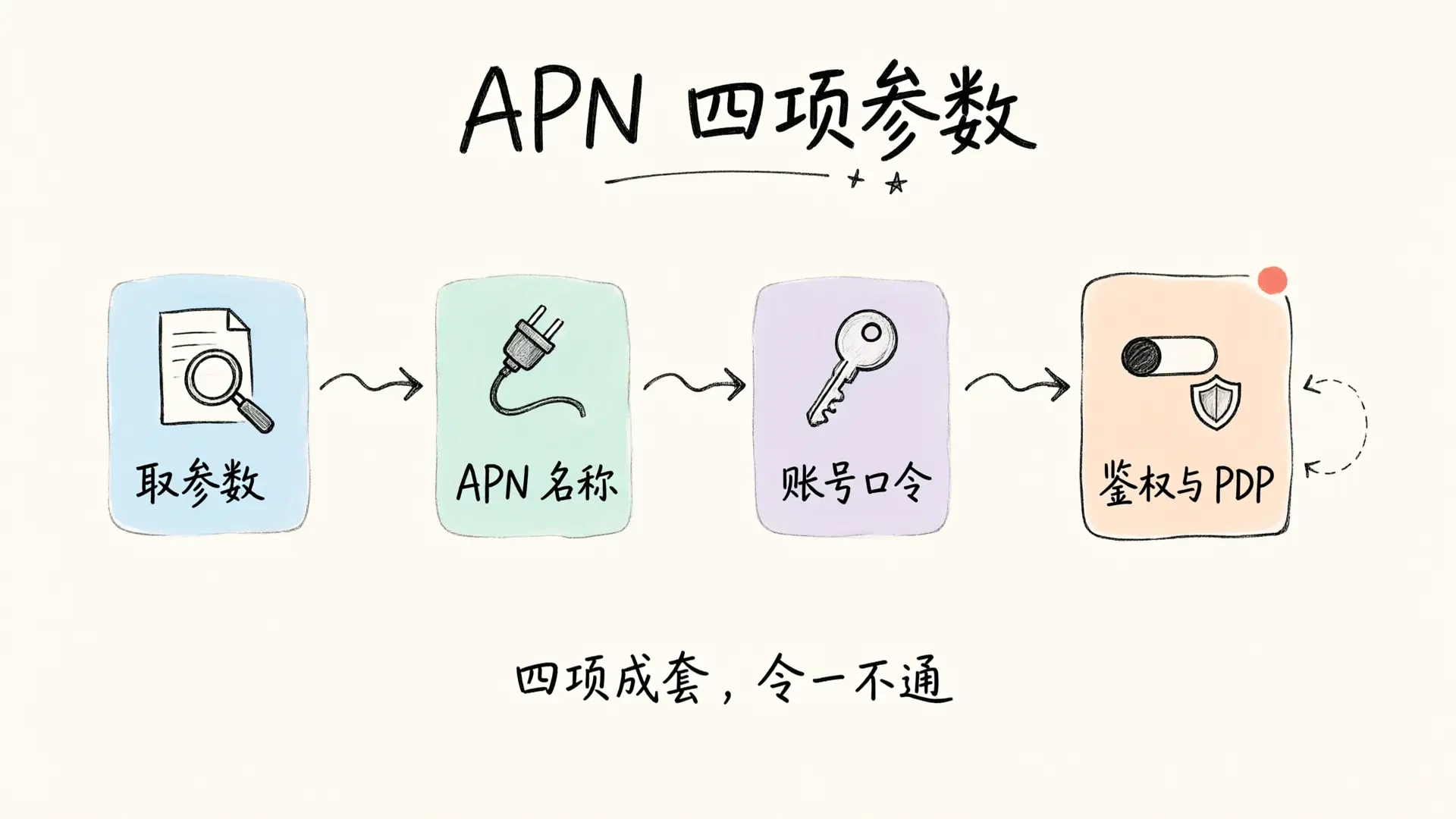
LTE and 5G NR are widely deployed in Hong Kong. After device deployment, service connectivity failures are rarely due to signal issues; they typically stem from APN misconfiguration. This article breaks down the four key parameters—APN name, username/password, authentication method, and PDP type—and provides a troubleshooting sequence for three common failure scenarios along with methods to lock configurations on mass-produced devices.

European EV charger exporters often delay certification until prototype finalization, leading to rework due to non-compliant connectivity modules. This article outlines two certification levers (CE/RED directives and GDPR cybersecurity requirements) and three critical connectivity actions, demonstrating how to align design-phase strategies for seamless compliance.

Drone video transmission lag is often attributed to the flight controller or antenna, but most public network backhaul lag stems from the cellular module. This article distinguishes between private transmission and public network backhaul links, outlining key indicators for identifying card-side issues—such as time-of-day patterns, usage inflection points, and cross-region flights—and presents a three-step troubleshooting method: analyze usage volume, check upload performance, and review policy settings.
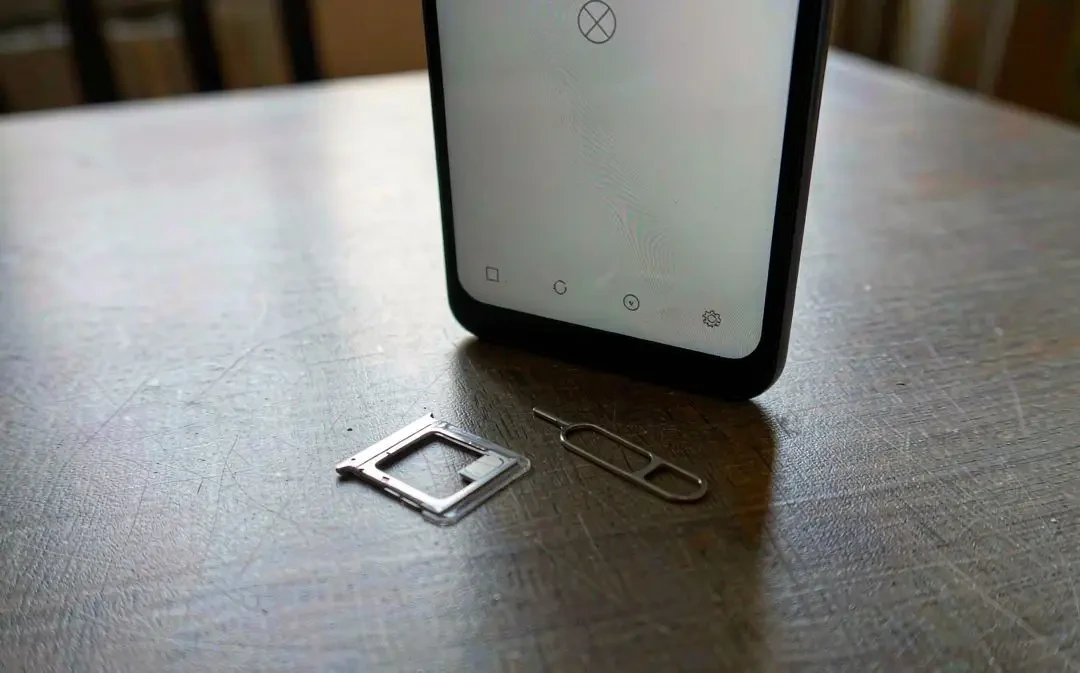
When a SIM card for an overseas device gets suspended locally, there are usually clear rules to follow. This article outlines two compliance reasons—real-name registration and usage declaration—and three behavioral triggers: silent reclamation, risk control measures, and roaming beyond allowed areas. It also presents four defense layers: consistent usage, active management, smooth data consumption, and authorization verification.

Buying too much data for a vending machine is wasteful; buying too little causes throttling. This article breaks down the actual monthly data usage of a single unit based on heartbeats, order payments, and inventory temperature monitoring. It also explains how two variables—screen-based ads and weak-signal retransmissions—affect consumption. Finally, it offers three selection principles: base decisions on real-world measurements, include headroom for flexibility, and avoid overspending.

Charging pile data usage depends on the model, whether it has a screen and camera, and the frequency of order interactions. This article provides reference traffic estimates for AC piles, DC piles, and smart piles with screens, and outlines three cost control points: advertising strategy, video bitrate, and monthly reconciliation.

The connectivity design of wearable monitoring devices centers on power consumption. This article compares the use cases of NB-IoT and Cat.1, outlines three key design considerations—reporting strategies, sleep parameters, and cached retransmission—and explains how to balance battery life with user experience.

Express lockers denied entry to residential communities: concerns about network connectivity are often overlooked, including camera coverage, data storage, ad review, and liability for malfunctions. This article organizes property management's key concerns into a network integration guide and outlines a three-step approach: checklist, accountability, and demonstration.

Cross-border traffic costs are driven less by unit price than by structure and habits. This article outlines three approaches: regional traffic pooling, protocol compression, and on-demand routing, along with a three-step implementation sequence: reconcile first, compress protocols second, and optimize structure last.

Remote ID is becoming a mandatory requirement in most regulatory regions, with broadcast and network-based approaches each suited to different scenarios. This article outlines the differences between the two paths and details three key connectivity configuration points: priority coverage, low-latency uplink, and dual-path redundancy.

Vending machine profitability hinges on the efficiency of three key processes: restocking, fault handling, and reconciliation. This article presents two checklists for online solutions: device-side considerations (data usage, connectivity standards, antenna configuration, and offline fallback) and operations-side priorities (restocking workflows, alerting, and three-way reconciliation), demonstrating how real-time data translates into cost savings.

Connecting medical devices to networks involves patient privacy and clinical safety. The solution design must adhere to four critical constraints: cross-border data transfer, regulatory boundaries, electromagnetic environment, and data de-identification. This article details each constraint and provides a four-item pre-submission self-check checklist.

A smart community retrofit involves hundreds of terminals across access control, surveillance, metering, EV charging stations, elevators, and self-service lockers. This article categorizes these six device types by data volume into two groups, comparing network standards, monthly data usage, and deployment considerations for each. It also provides verification methods for traffic, coverage, and management parameters.

Multiple charging points with uneven traffic consumption. Pay-as-you-go IoT SIM cards eliminate fixed plan waste, helping charging station projects control communication costs.

Different application scenarios have varying connectivity requirements, making the choice of communication standard critical. This article compares NB-IoT and 4G Cat.1 to help enterprises select the optimal solution.

The two parties will deepen cooperation in IoT card supply, eSIM integration, and global network coverage to jointly advance intelligent upgrades in the security industry.

The new eSIM management platform supports remote provisioning, bulk configuration, and real-time monitoring to help enterprises going global efficiently manage device connectivity worldwide.

As 5G RedCap standards mature, Datong International launches a lightweight 5G IoT card solution for industrial gateways and wearable devices, balancing performance and cost.

In industrial scenarios, the stability of IoT card connections directly impacts production efficiency. This article analyzes how to ensure industrial-grade connectivity across three dimensions: network architecture, SIM quality, and platform capabilities.
Documents such as business licenses, operating permits, carrier authorizations, and system certifications are not publicly displayed on this page. You may submit an online request to view them; our team will contact you via phone or email for confirmation before sending the documents.
Verify entity name, unified social credit code, and business scope.
Request ViewBusiness license information for IoT card-related services
Request ViewAuthorization Documents for China Mobile, China Unicom, and China Telecom
Request ViewService Process, Delivery, and After-Sales Management System Certification
Request ViewSecurity compliance filing materials for the platform and business systems
Request ViewDocumentation for Recognizing Technical R&D Capabilities and Innovation Investment
Request ViewApplications submitted on business days are typically responded to within 1 business days.