Low-power connectivity design for wearable monitoring devices
The connectivity design of wearable monitoring devices centers on power consumption. This article compares the use cases of NB-IoT and Cat.1, outlines three key design considerations—reporting strategies, sleep parameters, and cached retransmission—and explains how to balance battery life with user experience.
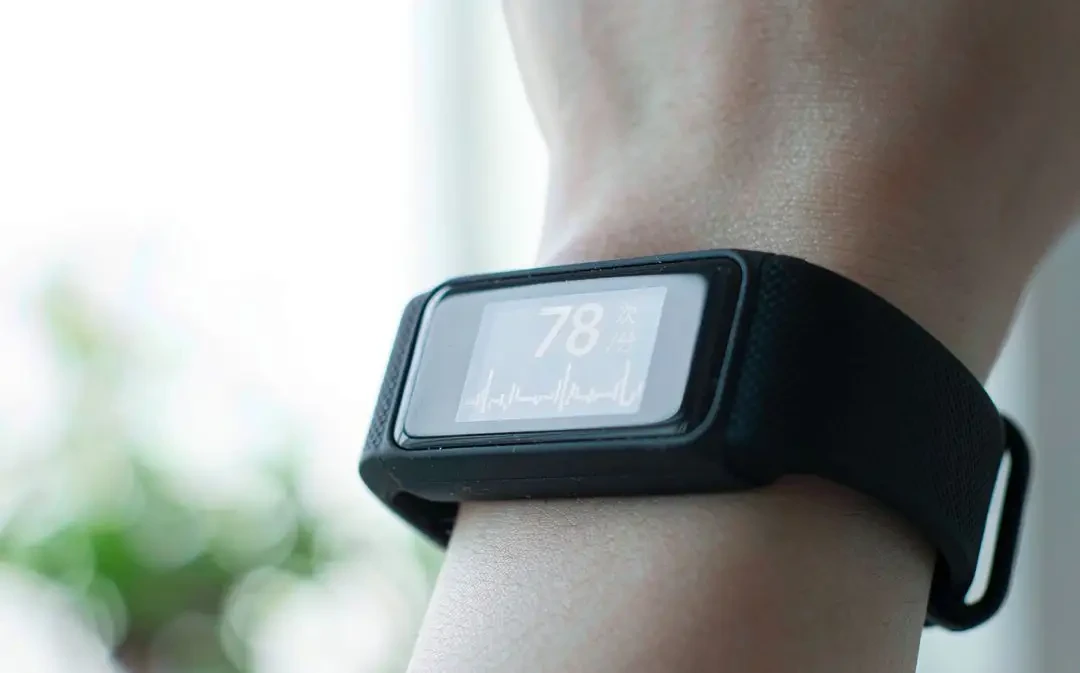
Wearable monitoring devices (heart rate, SpO2, fall detection, GPS tracking) must be designed with connectivity power consumption at the core: every extra watt used for networking directly shortens battery life. Low-power design isn't about isolated optimizations; it requires a holistic approach across network protocols, reporting strategies, and sleep mechanisms. Increasing report frequency by even one unit raises power draw proportionally.
1. How to Choose a Mesh
Ideal for low-data, deep-coverage scenarios (indoor positioning, state monitoring).NB-IoTPSM/eDRX sleep mechanisms reduce standby current to the microamp level.Use this for low-frequency reporting scenarios.。
Cat.1 is better suited for frequent interactions (e.g., elderly calling, continuous positioning), but you must adjust the reporting frequency and sleep parameters together:Low frequency when idle; triggered during anomaliesOnly then can the battery life curve be kept in check.
II. Three Key Design Principles
Beyond the rated capacity, three design factors determine actual runtime. Align each one individually.Every item directly impacts the battery life curve.:
Reporting PolicyAvoid fixed high-frequency polling. Report data based on business rhythm with tiered frequency; use high frequency only for anomalies.
Sleep parametersPSM cycles align with business rhythms; each incremental increase in deep sleep duration extends battery life to the next level.
Cache retransmissionBuffer data in weak signal areas and retransmit once coverage is restored to avoid repeated connection attempts that drain the battery.
Wearable IoT design is fundamentally about balancing experience and battery life. Every spec must be accounted for for the product to stand on its own.
Need global IoT SIM pricing comparison or selection advice?
Tell us your target country and device usage, and we'll compile the corresponding pricing plans and recommendations for you.
Related Reading
- For shared power bank expansion overseas, evaluate the target country and backhaul routing first.Tech News · 2026-11-16
- Can legacy devices that only support 2G still use IoT SIM cards?Tech News · 2026-11-16
- Annual procurement locks unit price and total volume, not the entire package.Tech News · 2026-11-16