International IoT SIMs Through the "Six Networks": Three Connectivity Hurdles for Overseas Devices
The "Focus Interview" program has brought the "Six Networks" into public view. While network coverage is driven by operators, hardware manufacturers going global must address device-side challenges—such as SIM cards, pricing, operations and maintenance (O&M), and liability—in a step-by-step manner. This article breaks down connectivity solutions from three perspectives: international SIM usage, cost accounting, and bulk O&M.
"Focus Interview" has brought the "Six Networks" to public attention, referring to a communication and information infrastructure formed by network types such as 5G, fiber broadband, mobile IoT, satellite communications, and computing networks. While operators handle network-side tasks and hardware vendors manage device-side responsibilities, four key questions emerge: Can SIM cards work across borders? Are costs transparent? Can hundreds of devices be managed by a single person? And who to contact when issues arise?
The denser the network, the more prominent the lag issues become.
Domestic base station density is already sufficient; the challenge for device connectivity has shifted from "whether there's signal" to "which network to use." An industrial gateway may encounter different carriers and frequency bands across various factory sites, while overseas projects must also comply with local network standards and regulatory requirements. The traditional approach involves stocking SIM cards by country and carrier, causing SKU counts to grow linearly with the number of shipping destinations and driving up inventory and misshipment costs.
eSIM redefines this logic: numbers exist as profiles, pre-loaded at manufacturing, activated on arrival, and switched remotely. With provisioning tools, bulk configuration is seamless. Dato International now covers over 200 countries and regions, with more than 1 thousand devices connected on our platform. For an industrial gateway manufacturer, our multi-network fusion solution spans over 30 provinces, achieving a device online rate of 99.9% and reducing fault response time to under 2 hours.
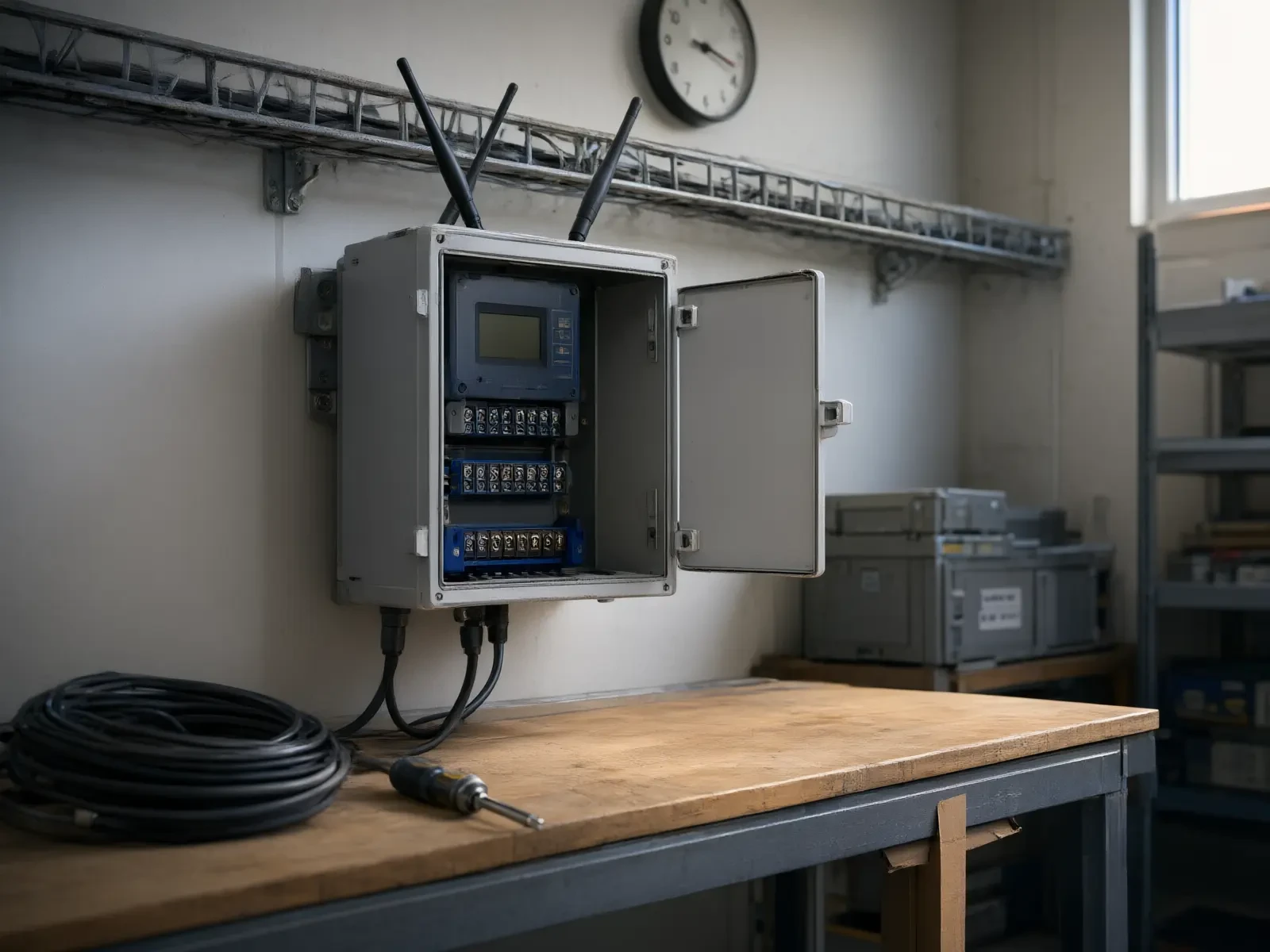
Pricing variance is the primary driver of overseas expansion costs.
The same data plan can have unit prices that vary by several times across different countries. Relying on domestic pricing intuition when quoting overseas often leads to excessive costs later in the project. Country-specific rates must be calculated individually, and units must be standardized; mixing MB and GB introduces errors that compound significantly in large-scale projects.
We've turned this into a tool. The Traffic Calculator lets you search plans by country: select your destination first, then view rates. With standardized conversion, it provides a monthly cost range. Procurement and sales teams can reconcile using the same data set—no need to call local service centers line by line. Locking in connection costs at the quote stage creates room to discuss gross margins later.
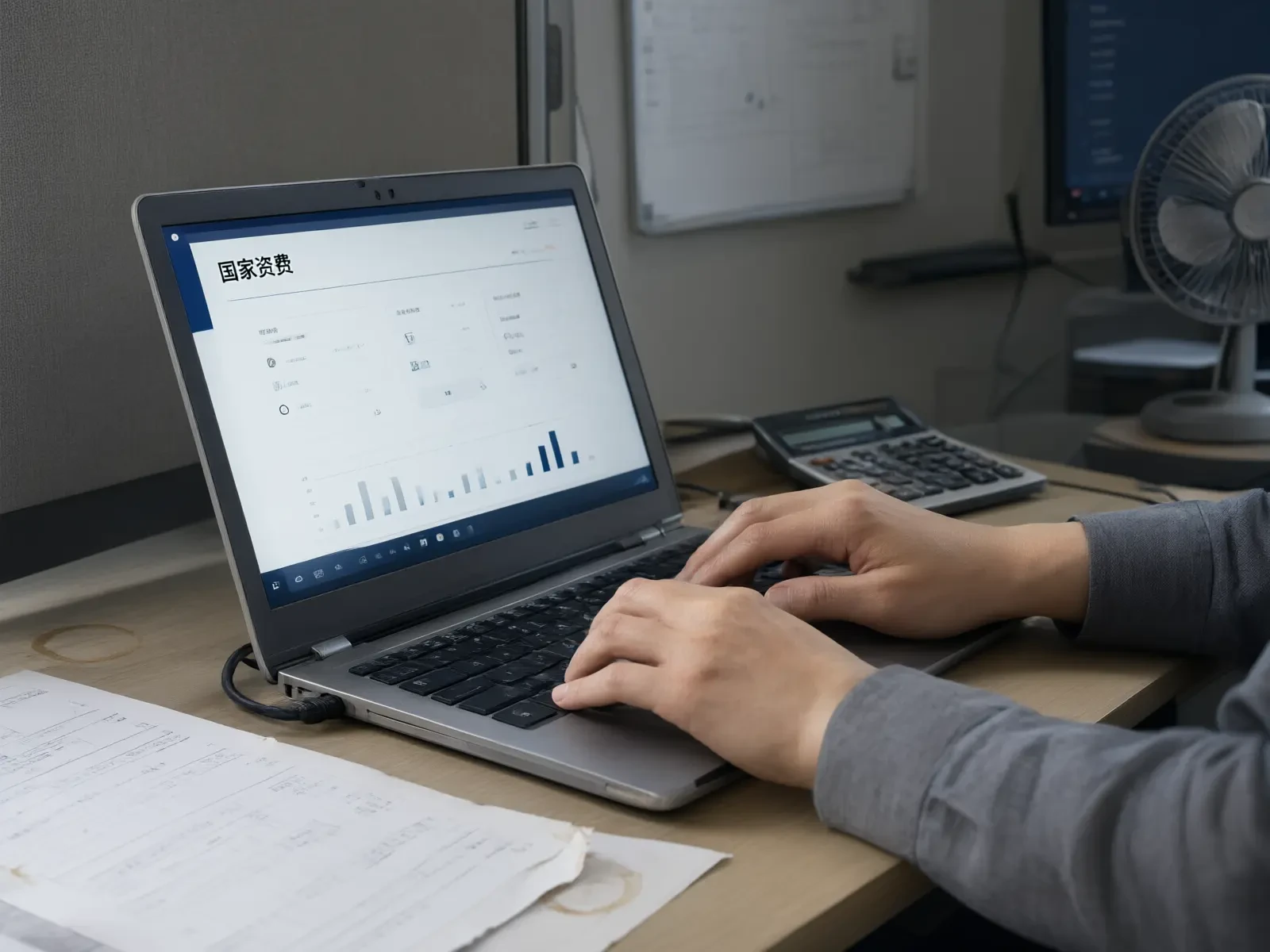
Operational complexity does not decrease with the number of devices.
Devices deployed across 15 countries mean 15 network setups and 15 failure scenarios. A common challenge for security integrators is: when a country experiences network instability, the backend must determine whether the issue lies with the SIM card, the modem, or the local base station. This requires data alignment across cards, modems, and platforms; manually inspecting devices one by one isn't feasible at scale.
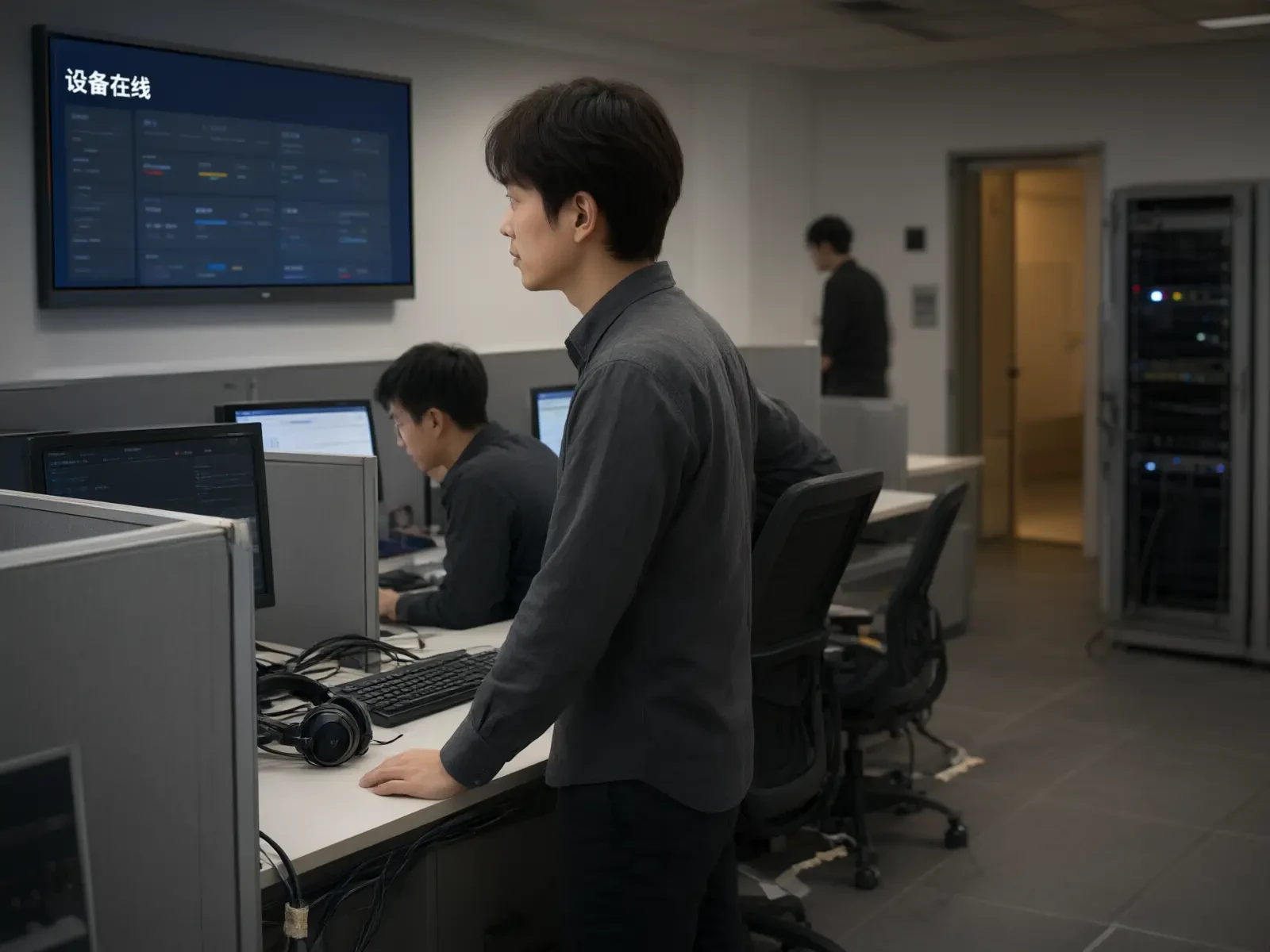
We maintain compatibility with module vendors including Huawei, ZTE, Quectel, and Fibocom. By pre-integrating communication modules with eSIM, CPE manufacturers eliminate a surface-mount and SIM provisioning step on their production lines. One client reduced their mass production delivery cycle by 40%. Our security customers achieved zero network interruption during roaming across 15 countries, thanks to centralized backend management and remote reconfiguration.
Conclusion
Six networks solve coverage challenges; enterprises must transform coverage into manageable connection assets. Align SIM cards, modules, data plans, and backend systems before device shipment to pre-empt most connectivity risks in global projects. After you submit a request, our technical consultant will provide a solution and pricing estimate within 24 hours.
Need global IoT SIM pricing comparison or selection advice?
Tell us your target country and device usage, and we'll compile the corresponding pricing plans and recommendations for you.
Related Reading
- Why does SIM-card removal trigger service suspension? First, understand the IMEI binding chain.Tech News · 2026-11-13
- How to choose an international IoT SIM card? eSIM, SMD packaging, and data pooling are three different things.Tech News · 2026-11-13
- Weak Signal in Electrical Shaft: Remedial Solutions for Access Control and Elevator Control NetworkingTech News · 2025-10-25