Drone Remote ID and Compliance: How to Configure a Connected Solution?
Remote ID is becoming a mandatory requirement in most regulatory regions, with broadcast and network-based approaches each suited to different scenarios. This article outlines the differences between the two paths and details three key connectivity configuration points: priority coverage, low-latency uplink, and dual-path redundancy.
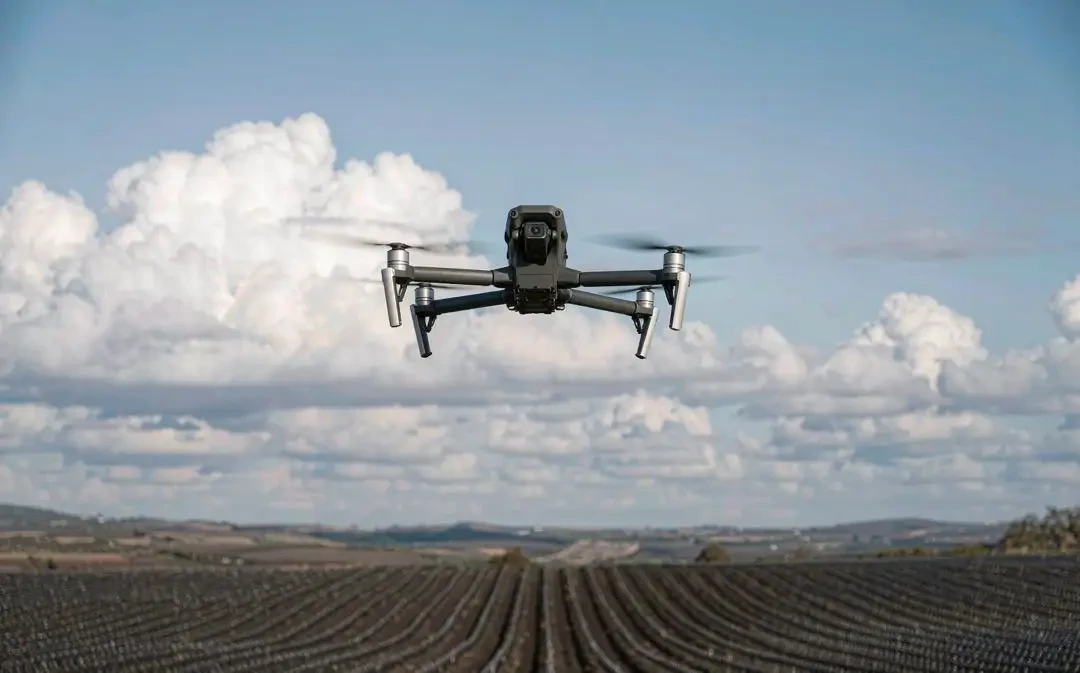
UAV regulation has a clear direction: aircraft must be able to fly and also be visible. Remote ID requires drones to broadcast or transmit identity and location data during flight; most jurisdictions treat it as a prerequisite for operation. There are two identification paths—network-independent and network-dependent. Compliance leaves no room for loopholes: choose the right path before configuring connectivity.
1. Two Identification Paths
The first one isBroadcast Remote IDThe airborne module directly broadcasts its identity and location without requiring internet connectivity. It is low-cost and serves as the compliance baseline for most aircraft models.Where broadcasting can't reach, that's where connectivity truly matters.。
The other is Network Remote ID, which transmits identification data back to the regulatory platform to cover scenarios where broadcast fails, such as urban canyons and remote operations. Cellular networks (starting at Cat.1) are the mainstream configuration; areas beyond public network coverage require advance planning.Stable upstream and time synchronization are prerequisites.。
II. Three Key Points for Network Configuration
For models using network-based identification, align the online configuration according to the three key points.One path fails, the other serves as a fallback.:
OverwriteSelect network based on operation zone; test public network coverage in suburban and mountainous areas first, then plan temporary backhaul solutions for blind zones.
Low-latency uplinkEnsure data uplink keeps pace with flight dynamics; incorporate throughput and latency into solution specifications.
Dual-path redundancyNetwork identification and broadcast parallel configuration: single-channel faults do not interrupt compliance status, ensuring no gaps during flight.
Remote identification isn't hard; the challenge is treating it as a design input, not a fix. Getting it right in the planning phase streamlines airworthiness and airspace approvals. Adding it mid-flight doubles the cost.
Need global IoT SIM pricing comparison or selection advice?
Tell us your target country and device usage, and we'll compile the corresponding pricing plans and recommendations for you.
Related Reading
- For shared power bank expansion overseas, evaluate the target country and backhaul routing first.Tech News · 2026-11-16
- Can legacy devices that only support 2G still use IoT SIM cards?Tech News · 2026-11-16
- Annual procurement locks unit price and total volume, not the entire package.Tech News · 2026-11-16