How Overseas CPE Hardware Manufacturers Reduce Inventory Costs with eSIM Modules
Traditional SIM card solutions require CPE manufacturers targeting overseas markets to stock specific SIM cards for each region, leading to a surge in SKUs and high warehousing costs and expiration losses. This article analyzes the inventory optimization logic, cost structure, and implementation recommendations for eSIM modules enabling "one card for multiple countries."
For CPE hardware manufacturers expanding globally, inventory management is one of the largest hidden costs. Traditional plug-in SIM solutions require separate SIM cards for each target market, driving up SKU counts, warehousing expenses, and logistics complexity. The adoption of eSIM modules is fundamentally transforming this landscape.
Inventory challenges of traditional SIM card solutions
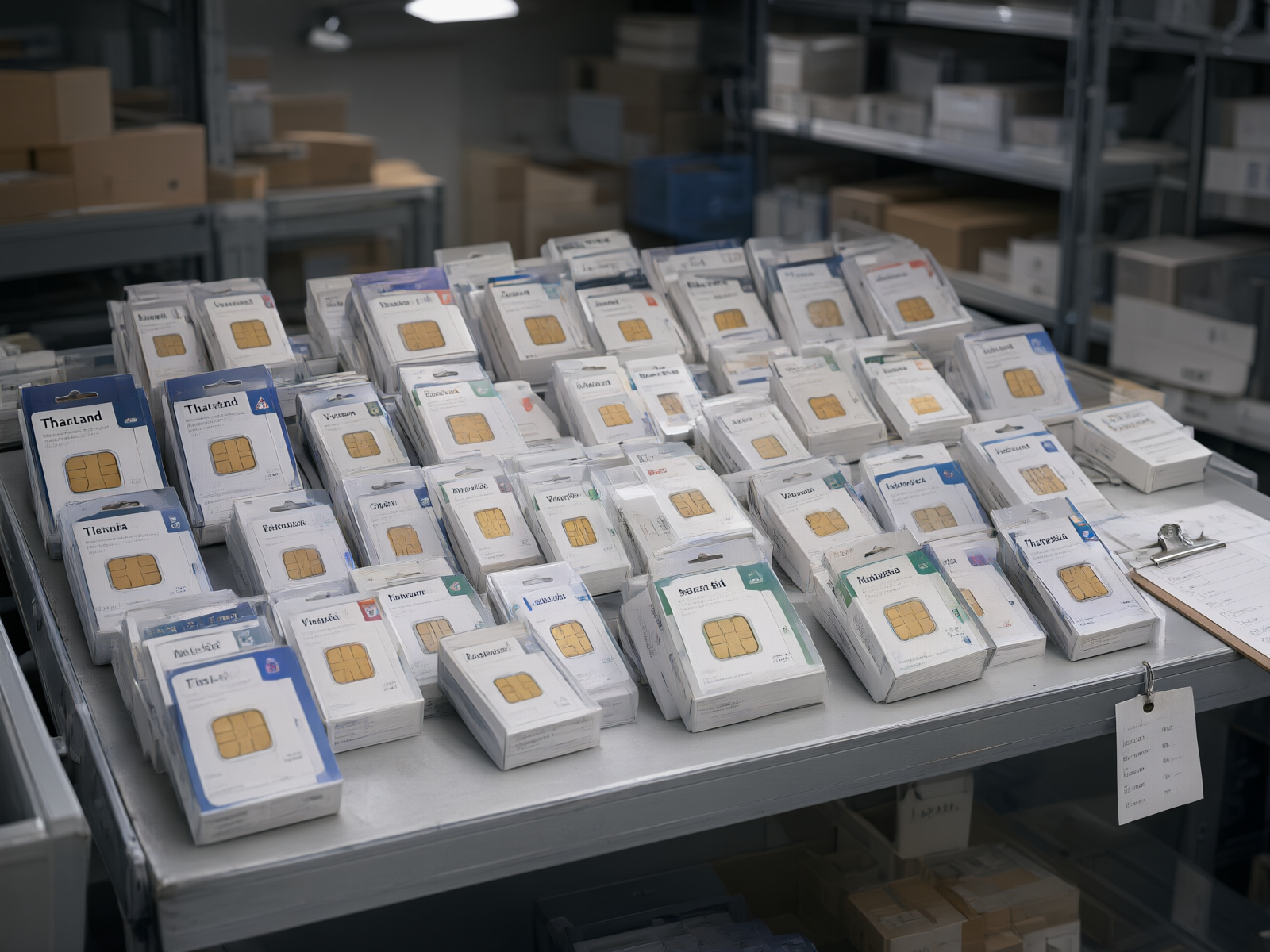
CPE manufacturers using traditional SIM card solutions must stock country-specific SIMs for each sales market. A 4G CPE product targeting Southeast Asia, for example, may require separate SIMs for Thailand, Vietnam, Malaysia, Indonesia, and more—each with distinct data plans and traffic specifications. This forces manufacturers to manage dozens of SKUs, each requiring individual procurement, inventory control, and fulfillment.
Inventory costs extend beyond procurement capital. Warehousing, logistics sorting, and expiration risks are real expenses. SIM cards typically have a validity period of 6-12 months. Once market demand shifts or products iterate, excess stock becomes sunk cost. One CPE manufacturer for overseas markets disclosed that annual losses from expired SIM cards account for 8%-12% of their total communication module procurement spend.
eSIM Module Inventory Optimization Logic
The core advantage of eSIM modules is "one card, multiple countries." A single eSIM module can switch communication profiles for different countries via remote provisioning. Manufacturers only need to stock a unified eSIM module, eliminating the need for physical SIM cards per market. This reduces SKU count from dozens to one, significantly simplifying inventory management.
Dachang International's eSIM module supports remote configuration of international IoT SIMs. Manufacturers pre-write base configurations before shipping; once in the target market, specific country rate plans are activated on demand. This model shifts inventory risk from "pre-positioning stock" to "activation on demand," reducing capital tie-up and minimizing expiration losses to near zero.
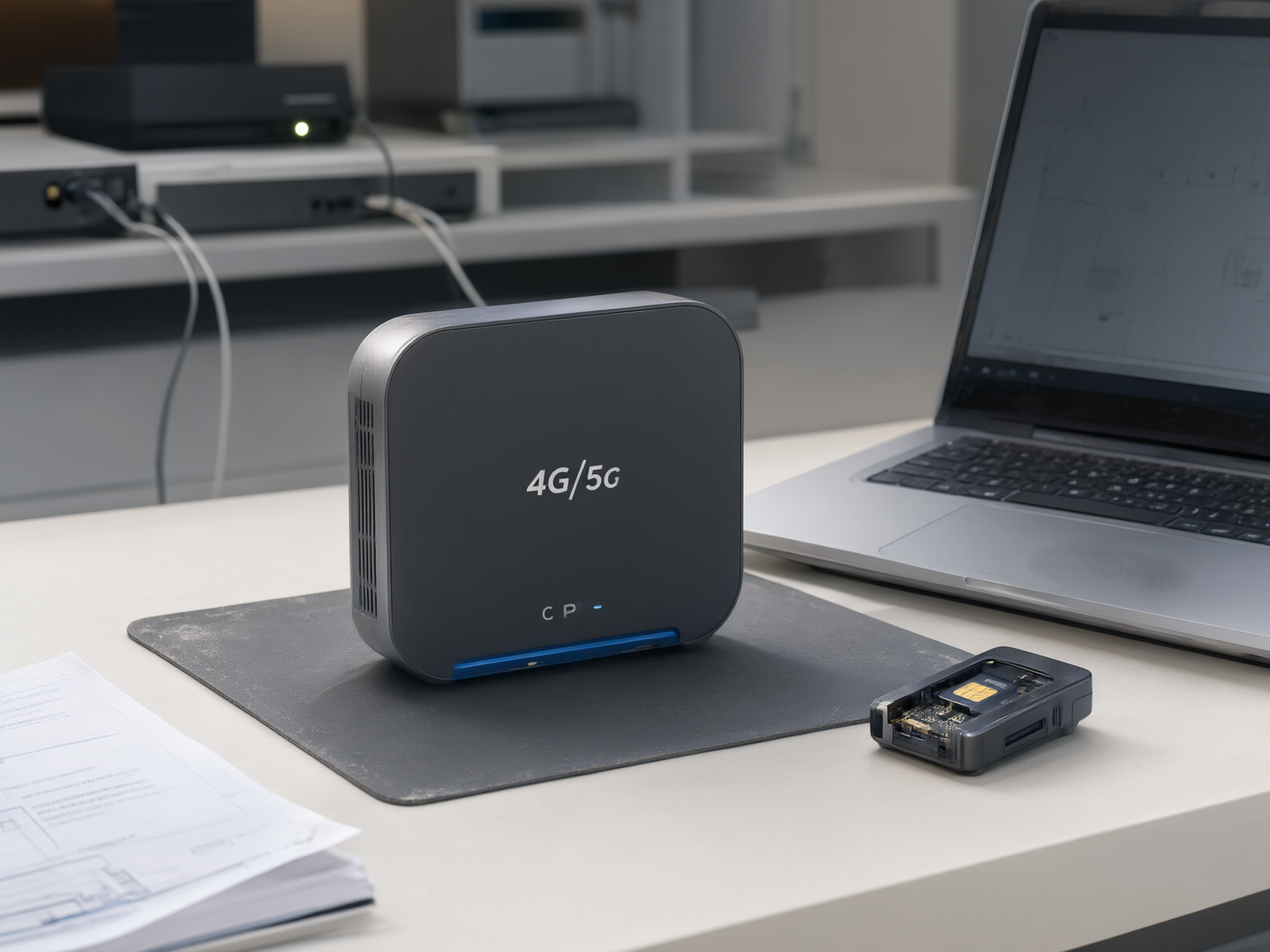
From a cost structure perspective, the per-unit procurement cost of an eSIM module may be slightly higher than that of a traditional SIM card. However, total inventory costs (procurement, warehousing, logistics, and loss) typically decrease by 30%-50%. For CPE manufacturers with annual shipments exceeding 10 million units, this difference can significantly impact overall profit margins.
Implementation Recommendations
When switching to an eSIM solution, CPE manufacturers must evaluate three key dimensions: network standard compatibility in target markets, ease of use of the eSIM provisioning tool, and global IoT data plan coverage. Datong International offers a one-stop service from eSIM modules to provisioning tools, supporting mainstream 4G/5G CPE hardware platforms to help manufacturers transition smoothly.
Optimizing inventory costs isn't a one-time task—it's an upgrade to your supply chain capabilities. eSIM modules enable CPE manufacturers to shift from "stock-driven" to "demand-driven" models, gaining greater flexibility in global expansion.
Need global IoT SIM pricing comparison or selection advice?
Tell us your target country and device usage, and we'll compile the corresponding pricing plans and recommendations for you.
Related Reading
- For shared power bank expansion overseas, evaluate the target country and backhaul routing first.Tech News · 2026-11-16
- Can legacy devices that only support 2G still use IoT SIM cards?Tech News · 2026-11-16
- Annual procurement locks unit price and total volume, not the entire package.Tech News · 2026-11-16